Objectives
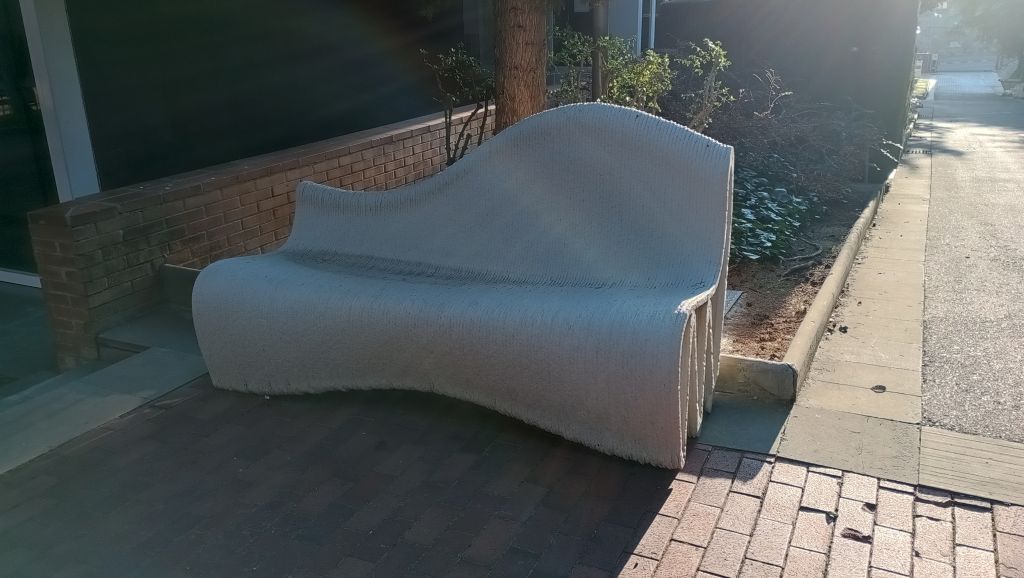
The 3D manufacturing system for concrete based on the D-Shape technology is an automated method based on layer-to-layer printing. This system allows the production of concrete elements without the limitations of shapes and geometries that present traditional manufacturing methods by means of formworks or other 3D printing methodologies.
In this line, it is necessary that the material used for elements with structural purposes guarantees a minimum performance. Accordingly, it is necessary to establish an optimum mix of concrete compatible with the production method that allows to achieve the minimum strength requirements.
As a consequence of the differences in the system of production and properties of the material respect other manufacturing methods, it is necessary to define the mechanical parameters and the calculation of 3D concrete for structural design. The optimization of the material involves obtaining a material with isotropic properties in all directions so that the structural design does not depend on the charge application address. Likewise, the necessary calculation tools and security formats would be developed to incorporate this material into future norms of concrete structures.
From the technical and commercial point of view, the development of a material suitable for the 3D production system would allow the product to be positioned to the national and international leader, reducing the dependence and costs derived from the need to acquire the material to foreign companies. On the other hand, the result of the project would allow to promote the development and expansion of a technology that still presents certain limitations, but with a high potential given the different advantages that it presents from different points of view:
-Productive: reduction in construction time
– Affecting third parties: large items or heavy elements can not be transported as they affect the traffic and involve risks during conduction.
– Work safety: lower risks and accidents of the workers
-Economic: reduction in costs associated with material and construction processes
-Architecture and aesthetics: there is total freedom of geometrical and constructive forms an aspect that can not be achieved with any existing construction technology.
– Strategic positioning: at this time there is no system (or concrete base material) of 3D printing that allows the construction of structural elements (buildings, bridges, and other infrastructures).
Results
 |
 |
 |
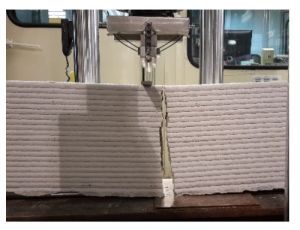 |
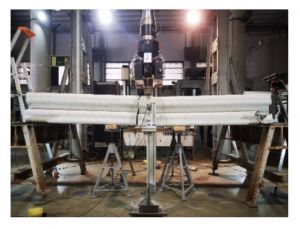
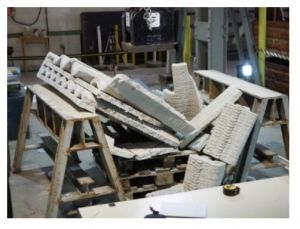
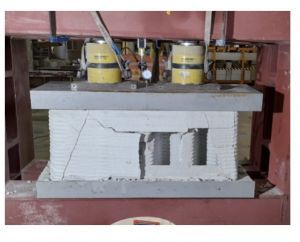
Real-scale elements such as walls, slabs and beams were manufactured and tested under different load situations up to failure to evaluate their performance.
Some elements achieved failure. Other elements did not fail given that the high strength of concrete, the geometry of the element and the loading setup exceeded the capacity of the testing equipment.
Funding
This project has received funding from the AGAUR and European Union’s European Regional Development Fund (ERDF) through the Knowledge Industry grants for 2019 No 019PROD00066.
 .
.